登录新浪财经APP 搜索【信披】查看更多考评等级
专题:对话ESG全球领导者
新浪财经ESG评级中心提供包括资讯、报告、培训、咨询等在内的14项ESG服务,助力上市公司传播ESG理念,提升ESG可持续发展表现。点击查看【ESG评级中心服务手册】
文 | 新浪财经 张瑾
全球能源转型相关规则正从“自愿披露”加速走向“强制合规、市场准入与供应链约束”。欧盟《电池法案》正分阶段引入碳足迹声明、碳足迹性能等级、数字电池护照、再生材料比例及供应链尽职调查等要求。欧盟碳边境调节机制(CBAM)已于2026年进入正式实施阶段,并正推进向特定钢铁、铝密集型下游产品扩围;美国则通过《通胀削减法案》(IRA)及其配套政策,从关键矿产、电池材料、组件及相关产品的来源端强化 ESG 合规约束,将供应链透明度、可追溯性与尽责管理要求与清洁能源税收抵免资格挂钩。
这些规则虽非全部直接针对新能源装备制造企业,但正通过下游客户和全球产业链向上游传导。对于新能源高端装备企业而言,一方面,装备生产所使用的钢铁、铝等高碳材料,其碳排放、碳成本及供应来源的重要性正在上升;另一方面,电池、光伏等下游客户对产品碳足迹、能源消耗、原材料溯源和供应链尽责管理的要求,也将进一步向装备供应商延伸。这意味着,新能源高端装备企业的全球竞争已不再局限于设备性能、交付能力和成本效率,而正在延伸至能源效率、碳数据管理能力、供应链透明度以及全球合规能力。ESG 也正从传统的信息披露与形象加分项,逐渐转变为与客户准入、产品竞争和全球化经营直接相关的基础能力。
在这一背景下,新浪财经与无锡先导智能装备股份有限公司董事长王燕清展开对话。先导智能是连接新能源产业与智能制造的关键装备企业,业务覆盖锂电、光伏、氢能等领域,正处在这轮产业变革的多重交汇点,包括:新能源进入“TWh时代”后的产业链韧性构建,技术路线快速迭代下的研发创新与不确定性管理,AI加速进入制造业后的效率提升与安全治理平衡,以及中国高端装备企业全球化进程中 ESG 从合规要求向长期竞争力的转化。
围绕产业链韧性、AI治理、技术创新与全球信任,王燕清的回答勾勒出中国新能源装备企业面向未来的核心课题:以技术创新增强产业韧性,以治理能力支撑全球化发展。
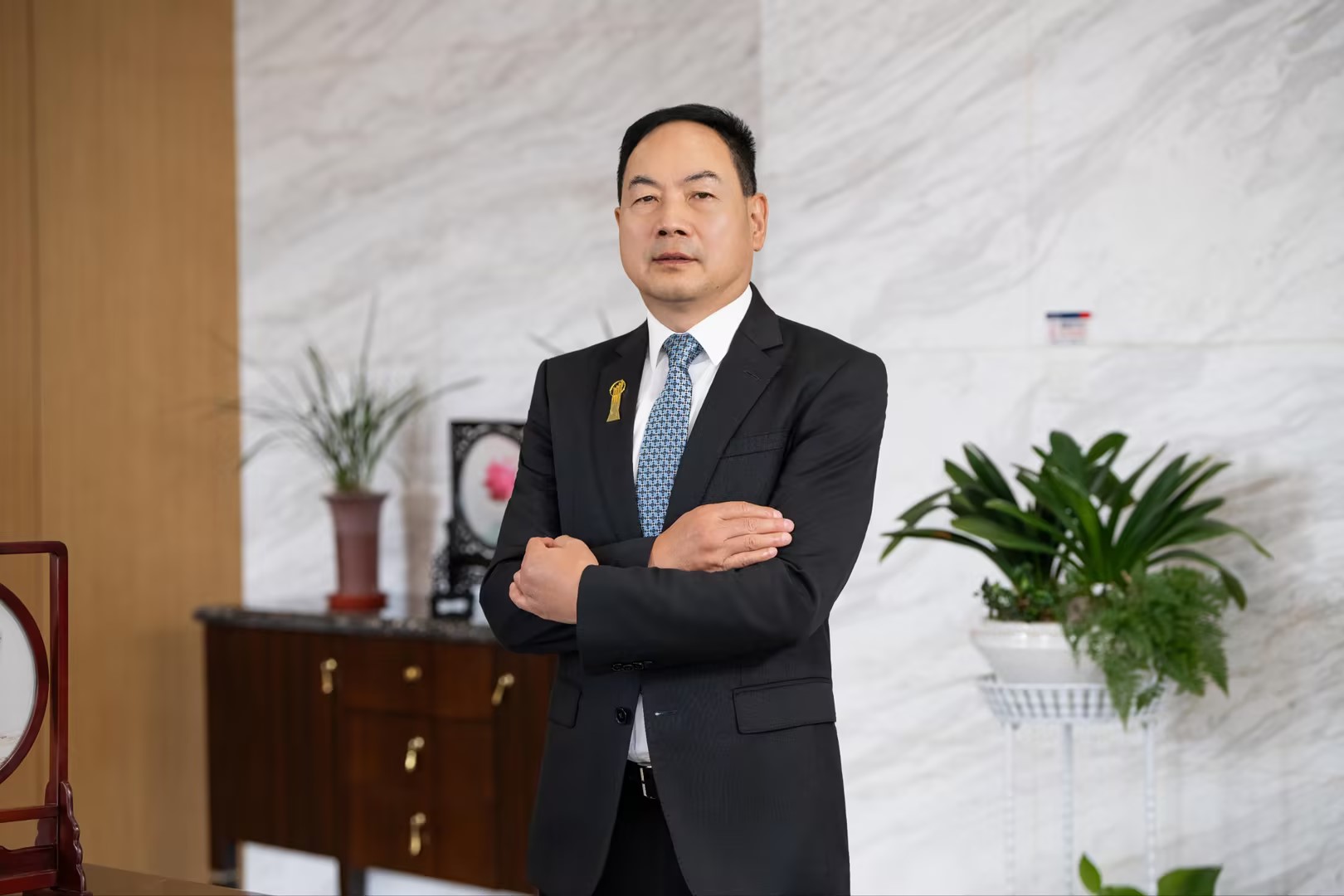 无锡先导智能装备股份有限公司 董事长 王燕清(Wang Yanqing, Chairman of Wuxi Lead Intelligent Equipment Co., Ltd.)
以下为对话原文:
新浪财经:近年来,随着全球供应链重构以及ESG相关规则不断完善,越来越多企业开始将可持续发展视为参与国际竞争的重要能力,而不仅仅是一项社会责任。您如何看待这一趋势?对于中国制造业而言,它意味着新的竞争门槛,还是孕育着新的发展机遇?
王燕清:在我看来,可持续发展正从企业的“加分项”变为参与全球竞争的“入场券”。这背后是全球供应链重构和ESG规则深化的必然结果,对此我深有体会。
先导是全球领先的新能源智能制造解决方案服务商,本身就是为绿色能源转型而生。我们不仅自身推行绿色智造,严格对标国际ESG标准,更重要的是,我们为锂电、光伏、氢能等领域提供的装备,直接帮助全球客户降低碳足迹、实现清洁生产。可以说,先导的发展逻辑与这一趋势天然契合。
对中国制造业而言,这既是新门槛,更是历史性的跃迁机遇。门槛在于粗放式增长彻底失效,企业必须补上碳管理、循环设计和合规体系的课。但机遇更加巨大:全球绿色能源革命与供应链重构叠加,谁能在低碳技术和智能制造上建立标准,谁就能掌握下一轮全球话语权。先导的选择是把ESG刻入创新基因,用技术把门槛变成护城河。事实证明,在国际顶尖客户的选择中,可持续能力已经成为核心技术之外,赢得订单与尊重的关键砝码。中国制造完全有能力从追赶者变为领跑者。
新浪财经:您曾公开表示,“‘TWh时代’的竞争,不是单一企业的较量,而是整个产业链韧性的比拼。”在您看来,一条真正具有韧性的产业链应具备哪些核心能力?ESG在其中发挥着怎样的作用?
王燕清:在我看来,“TWh时代”的较量,本质是产业链体系能力的对决。一条真正有韧性的产业链,必须具备三种核心能力:
第一是技术穿透力,能从材料、工艺到装备进行底层协同创新,例如我们和客户联合研发,将产线交付周期大幅压缩;第二是全球响应力,面对地缘风险与突发事件,供应链能“多基地、多枢纽”灵活调配,目前我们在海外布局的基地,确保了对国际客户的就近服务;第三是深度耦合的共生力,上下游不是简单买卖,而是通过数据共享、联合攻关形成命运共同体。
ESG在其中扮演着“连接器”和“筛选器”的角色。我们推行绿色供应链标准,优先选择符合低碳标准的合作伙伴,并共同研发低能耗装备,这看似增加成本,实则优化了能源与资源效率。更重要的是,在海外,严苛的ESG合规体系成为我们赢得顶级客户长期信任的基石。可以说,没有ESG贯通的产业链,其韧性是经不起碳约束时代考验的。ESG让产业链从被动捆绑变为有机共生,这正是产业链韧性最底层的逻辑。
新浪财经:您曾将研发策略形容为“饱和式攻击”。在新能源装备行业,技术路线不断演进、市场需求也在快速变化。面对这种高度不确定性,企业如何提高战略判断的准确性?先导智能又是如何在持续投入与控制风险之间找到平衡的?
王燕清:所谓“饱和式攻击”,绝不是遍地撒钱的盲目试错,而是基于对底层技术逻辑的穿透性理解,在关键突破口上集中优势兵力。面对不确定性,我们提高判断准确性的核心在于“从产业一线找答案”。先导不是闭门搞研发,而是与全球最顶尖的电池、光伏、氢能头部客户结成“创新命运共同体”,根据他们未来3-5年的量产需求,倒推今天的技术布局,这样预判就不再是赌博,而是工程化的推导。
在平衡持续投入与风险上,我们建立了“技术货架”和“赛马机制”。前沿探索阶段,允许多支团队对同一种工艺的不同路线进行低成本、小规模的快速验证,一旦市场信号清晰,验证跑通的技术模块立刻从货架上抽出,整合放大,推向饱和式量产攻关阶段。这种模式既保证了不缺席任何一场技术革命,又避免了在技术路线摇摆时把公司绑上豪赌的战车。说到底,用工程化的方法来管理研发风险,把对的方向迅速打透,把不确定性关进流程的笼子里,这就是先导的平衡之道。
新浪财经:当前,AI正在重塑制造业的研发、生产和服务模式,也对企业治理提出了新的要求。未来企业竞争的关键,不仅是谁率先应用AI,更是谁能够负责任地使用AI。您是否认同这一判断?先导智能将如何把握AI创新与风险治理之间的平衡?
王燕清:我完全认同。AI的竞争不在于模型炫酷,而在于让产线更稳定、缺陷更低、交付更短,且必须以安全可信为前提。先导的AI战略扎根工艺场景,受质量逻辑绝对管辖。
创新上,我们打造设备智慧大脑,用行业独有的锂电设备机理认知、技术诀窍(Knowhow)以及数十年积累的失效样本数据训练AI,实时调优参数、预判异常,LEADACE PHM设备预测性维护系统能提前7-15天发出设备故障预警,预测准确率比传统方法提升25%以上,让设备成为守护产线稳定运行的“数据哨兵”。
治理上,我们严守三条红线:一是人机协同,AI只建议,最终裁决权归工程师;二是数据边界,客户产线数据全链路加密,核心训练确保“数据可用不可见”;三是所有AI决策可追溯、可解释,并通过国际安全认证体系固化。负责任地使用AI,如同为智能化划定护栏。唯有安全、透明、可控,AI才能深度嵌入制造,成为工业底座。
新浪财经:您曾表示,未来目标是海外订单超过公司整体订单的一半。随着企业全球化不断深入,竞争已不仅是产品和技术的竞争,也越来越体现为品牌、治理和信任的竞争。您认为,中国高端装备制造企业应如何建立国际市场的长期信任?ESG是否正在成为这种信任的重要基础?
王燕清:面对这个问题,我们的答案是肯定的。
在国际化的征程中,我们深刻感受到,仅靠产品和技术领先已不足以赢得持续信任。尤其在欧美市场,客户越来越将碳排放管理、员工权益保障和产品环保性能,视作供应商筛选的硬标准。因此,中国高端装备企业必须将ESG从“附加项”升级为战略核心,用透明的治理和扎实的履责表现,回应合规关切,提升品牌信誉,这是建立国际客户长期信任的关键路径。
先导智能正是沿着这一路径深耕:率先承诺2035年实现核心运营碳中和,成为国内首家发布碳中和目标的新能源智能装备企业;连续六年披露ESG报告,积极参与CDP、EcoVadis等国际评级(最新EcoVadis评级获得银牌,CDP气候变化与水安全获B级、供应商合作评级获A级);并加入联合国全球契约组织,积极参与全球可持续发展进程;同时成立3000万元规模的暖光公益基金,系统化推进社会责任。
正是凭借这些实践,我们在国际顶尖客户的严格筛选中脱颖而出。可以说,ESG已成为先导智能国际化战略的重要支撑,也是中国高端装备赢得全球信任的通行证。
新浪财经:作为董事长,您如何确保ESG真正融入公司的战略和决策,而不是停留在一份报告或一个部门的工作?在推动过程中,最难改变的是什么——组织、文化,还是管理机制?
王燕清:我们构建了“顶层统摄、穿透执行、刚性考核”的治理架构,确保ESG不是“体外循环”。
在顶层,董事会负责指导与监督,由我担任主任的ESG管理委员会承担决策管理职责,同时设立外部专家顾问组,提升决策的科学性与前瞻性;执行层面,ESG办公室负责统筹协调与日常推进,各事业部及分子公司负责人作为委员,并下设执行委员,形成纵向穿透、横向拉通的矩阵式管理架构。并且ESG绩效与相应高管及各层级员工年度绩效直接挂钩,确保战略不悬空。
最难改变的,不是组织架构或制度——这些都容易建立——而是从“被动合规”转向“主动创造价值”的认知惯性。把短期功利思维转化为长期价值思维,靠的不是宣贯,而是一个个否决案例和考核兑现“磨”出来的文化重塑。
以下为英文版本:
The following is the English version:
From Competitive Moats to Symbiotic Ecosystems: How ESG Is Reshaping Supply Chain Resilience as Chinese Equipment Makers Go Global
A Conversation with Wang Yanqing, Chairman of Lead Intelligent
By Zhang Jin, Sina Finance
Global regulatory frameworks for the energy transition are shifting rapidly from “voluntary disclosure” toward “mandatory compliance obligations, market-access requirements, and supply-chain constraints”. The EU Battery Regulation is phasing in requirements covering carbon footprint declarations, carbon footprint performance classes, digital battery passports, recycled-material content, and supply-chain due diligence. The EU’s Carbon Border Adjustment Mechanism (CBAM) entered its full implementation phase in 2026. Meanwhile, the EU is advancing a proposal to extend its scope to certain downstream steel- and aluminum-intensive products. In the United States, the Inflation Reduction Act (IRA) and related policies are tightening ESG requirements across the supply chains for critical minerals, battery materials, components, and related products, linking supply-chain transparency, traceability, and due diligence to eligibility for clean-energy tax credits.
Although these rules are not all directly targeted at new-energy equipment manufacturers, their impact is increasingly extending upstream through downstream customers and global supply chains. For high-end new-energy equipment manufacturers, the carbon emissions, carbon costs, and sourcing of carbon-intensive materials such as steel and aluminum are becoming increasingly important. At the same time, downstream customers in batteries, photovoltaics, and other sectors are placing growing emphasis on product carbon footprints, energy consumption, raw-material traceability, and supply-chain due diligence — requirements increasingly extending to equipment suppliers. As a result, global competition among high-end new-energy equipment manufacturers is no longer determined solely by equipment performance, delivery capabilities, and cost efficiency. It increasingly hinges on energy efficiency, carbon data management, supply-chain transparency, and the ability to meet global compliance requirements. ESG is also evolving from a supplementary exercise in information disclosure and corporate image-building into a foundational capability directly linked to supplier qualification, product competitiveness, and global operations.
Against this backdrop, Sina Finance spoke with Wang Yanqing, Chairman of Wuxi Lead Intelligent Equipment Co., Ltd. Lead Intelligent is a key provider of intelligent manufacturing equipment for the new-energy industry, with operations spanning lithium-ion batteries, photovoltaics, hydrogen energy, and other sectors. The company sits at the intersection of several major industrial transformations, including the need to strengthen supply-chain resilience as the new-energy industry enters the “TWh era”; the need to sustain R&D and manage uncertainty amid rapid technological shifts; the challenge of balancing efficiency gains with safety governance as AI becomes increasingly integrated into manufacturing; and the evolution of ESG from a compliance requirement into a long-term competitive advantage for Chinese high-end equipment companies expanding globally.
Focusing on supply-chain resilience, AI governance, technological innovation, and global trust, Wang highlights the key priorities facing Chinese new-energy equipment companies as they expand globally — strengthening industrial resilience through technological innovation and supporting global expansion with robust governance capabilities.
The following is a translation of the conversation:
Sina Finance: In recent years, amid the ongoing restructuring of global supply chains and the continued evolution of ESG-related standards and requirements, more and more companies have begun to view sustainability as an important capability for competing internationally, rather than simply as a matter of social responsibility. How do you view this trend? For Chinese manufacturers, does this raise the bar for global competition, or does it create new opportunities for growth?
Wang Yanqing: In my view, sustainability is shifting from a nice-to-have to a prerequisite for global competition. This is an inevitable consequence of the restructuring of global supply chains and the evolution of ESG requirements, and it is something we have witnessed firsthand.
Lead Intelligent is a leading global provider of intelligent manufacturing solutions in the new-energy industry. We were built for the green-energy transition. We are committed not only to advancing green intelligent manufacturing within our own operations and aligning with international ESG standards, but also to providing equipment for lithium-ion batteries, photovoltaics, hydrogen energy, and other sectors, directly helping our global customers reduce their carbon footprints and achieve cleaner production. In that sense, our growth is inherently aligned with this broader trend.
For Chinese manufacturers, this is both a new threshold and a historic opportunity to leapfrog. The threshold is clear: the old model of extensive growth is no longer viable, and companies must strengthen their capabilities in areas such as carbon management, circular design, and compliance systems.
But the opportunity is even greater. As the global green-energy transition converges with the restructuring of supply chains, companies that can establish leadership in low-carbon technologies and intelligent manufacturing will have a decisive say in shaping the next phase of global competition. At Lead Intelligent, we choose to embed ESG into our innovation DNA, using technology to turn new barriers into competitive moats.
Our experience has shown that, when international customers evaluate suppliers, sustainability capabilities have become an increasingly important consideration alongside core technology. Such capabilities can make a decisive difference in winning orders and earning long-term respect. Chinese manufacturers are fully capable of moving from followers to leaders.
Sina Finance: You have publicly said that “competition in the ‘TWh era’ is not a contest among individual companies, but a test of the resilience of the entire supply chain.” In your view, what core capabilities does a truly resilient supply chain need? What role does ESG play in building that resilience?
Wang Yanqing: Competition in the “TWh era” is ultimately a test of the supply-chain system as a whole. A truly resilient supply chain needs three core capabilities.
The first is technological depth and integration — the ability to pursue foundational innovation collaboratively across materials, processes, and equipment. For example, joint R&D with customers has enabled us to significantly shorten the delivery lead times.
The second is global responsiveness. In the face of geopolitical risks and unexpected disruptions, supply chains need to be able to allocate resources flexibly across multiple bases and nodes. Today, our overseas facilities allow us to provide local support to our international customers.
The third is deep integration and symbiosis. Upstream and downstream companies must go beyond simple buyer-supplier transactions. They need to form a closely connected ecosystem through data sharing and joint efforts to tackle technical challenges.
ESG serves as both a connector and a filter. We implement green supply-chain standards, prioritize partners that meet low-carbon requirements, and work with them to develop energy-efficient equipment. While this may appear to increase costs, it ultimately improves energy and resource efficiency.
More importantly, in overseas markets, a rigorous ESG compliance system has become a cornerstone for building long-term trust with top-tier customers. A supply chain without ESG integrated throughout cannot withstand the tests of an era defined by carbon constraints. ESG helps transform supply-chain relationships from passive interdependence into organic symbiosis. That is the fundamental logic underpinning supply-chain resilience.
Sina Finance: You once described Lead Intelligent’s R&D strategy as a “saturation attack.” In the new-energy equipment industry, technology pathways continue to evolve and market demand changes rapidly. Faced with such uncertainty, how can companies improve the accuracy of strategic decision-making? How does Lead Intelligent balance sustained investment with risk management?
Wang Yanqing: The so-called “saturation attack” does not mean blindly pouring money into every possible direction. It is based on a deep understanding of underlying technological principles and the concentration of resources on critical breakthroughs.
In an uncertain environment, the key to improving the quality of strategic decisions is to “find the answers on the front lines of the industry.” Lead Intelligent does not conduct R&D in isolation. Instead, we forge deeply integrated innovation partnerships with leading global customers in batteries, photovoltaics, hydrogen energy, and other fields. We determine today’s technology priorities by working backward from our customers’ expected mass-production needs in the next three to five years. This turns what could be a gamble into strategic forecasting grounded in engineering analysis.
To balance ongoing investment with risk control, we built a “technology shelf”, a library of proven tech modules, and use R&D “horse-racing” mechanism. In the early stages, multiple teams test different approaches to the same process on a small scale, at low cost, to quickly find what works. Once market signals become clearer, validated tech modules can be taken off the shelf and scaled up for an intensive engineering push toward mass production. This ensures that we remain engaged in every major wave of technological change while also avoiding excessive commitment to a single technology path when technology pathways remain uncertain.
Ultimately, our approach is to use engineering methods to manage R&D risks, identify the right direction quickly, and contain uncertainty within a controlled process.
Sina Finance: AI is reshaping R&D, production, and service models in manufacturing, while also creating new requirements for corporate governance. Looking ahead, corporate competitiveness will depend not only on who adopts AI first, but, more importantly, on who uses it responsibly. Do you agree with this assessment? How will Lead Intelligent balance AI innovation with risk governance?
Wang Yanqing: I completely agree. The real competition in AI is not about how sophisticated or impressive a model may appear. It is about whether AI can make production lines more stable, reduce defect rates, and shorten delivery times—while operating on a foundation of safety and reliability.
At Lead Intelligent, our AI strategy is firmly grounded in real manufacturing processes, with quality requirements taking absolute precedence.
On the innovation side, we have developed an intelligent platform for our equipment that combines our industry-specific knowledge of lithium-ion battery manufacturing, accumulated process know-how, and lessons learned. We use AI to optimize parameters in real time and predict potential anomalies. Our LEADACE PHM predictive-maintenance system can provide equipment-failure warnings 7 to 15 days in advance, with prediction accuracy more than 25 percent higher than traditional methods. In effect, it acts as a “data sentinel”, helping safeguard the stable operation of production lines.
On the governance side, we adhere to three non-negotiable rules. First, human-machine collaboration: AI provides recommendations, but final decisions remain with engineers. Second, data boundaries: customer production-line data is encrypted throughout the process, while our core training mechanisms ensure that data can be used without being exposed. Third, AI decisions must be traceable and explainable, and these requirements are institutionalized through internationally recognized safety certification frameworks.
Using AI responsibly is about putting guardrails around intelligence. Only when AI is safe, transparent, and controllable can it become deeply integrated into manufacturing and serve as a foundational capability for industry.
Sina Finance: You have said that your future goal is for overseas orders to account for more than half of the company’s total orders. As companies expand globally, competition is no longer just about products and technology; it increasingly involves brand, governance, and trust. How should Chinese high-end equipment manufacturers build long-term trust in international markets? Is ESG becoming an important foundation for that trust?
Wang Yanqing: Our answer is yes.
As we have expanded internationally, we have learned that leadership in products and technology alone is no longer enough to build lasting trust. In particular, in European and US markets, customers increasingly view carbon-emissions management, protection of employee rights, and the environmental performance of products as essential criteria for supplier qualification.
Chinese high-end equipment manufacturers therefore need to elevate ESG from an “optional requirement” to a strategic priority. Transparent governance and consistent performance in fulfilling environmental and social responsibilities can help address compliance concerns and strengthen brand credibility. This is an important path toward building long-term trust with international customers.
Lead Intelligent has made sustained efforts along this path. We were the first company in China‘s new-energy intelligent equipment industry to announce a carbon-neutrality target, committing to achieving carbon neutrality in our core operations by 2035. We have published ESG reports for six consecutive years and actively participate in international assessments such as CDP and EcoVadis. Most recently, we received a Silver Medal from EcoVadis, B ratings in CDP’s Climate Change and Water Security assessment, and Grade A in Supplier Engagement Rating.
We have also joined the United Nations Global Compact and actively participate in global sustainability initiatives. In addition, we established a RMB 30 million Warm Light Public Welfare Fund to support social-responsibility initiatives in a systematic manner.
These practices have helped us stand out in the rigorous supplier selection processes of top-tier international customers. ESG has become an important pillar of Lead Intelligent’s internationalization strategy and a passport to trust in global markets for Chinese high-end equipment companies.
Sina Finance: As chairman, how do you ensure that ESG is genuinely integrated into the company’s strategy and decision-making, rather than remaining confined to a report or a single department? In the process of advancing ESG, what is the hardest thing to change — organizational structure, corporate culture, or management mechanisms?
Wang Yanqing: We have established a governance structure based on “top-level leadership, effective execution, and stringent performance accountability” to ensure that ESG does not become disconnected from the company’s core operations.
At the top level, the board of directors is responsible for strategic guidance and oversight, while the ESG Management Committee, which I chair, is responsible for decision-making and management. We have also established an external expert advisory group to strengthen the rigor and forward-looking nature of our decision-making.
At the execution level, the ESG Office is responsible for overall coordination and day-to-day implementation. Heads of business divisions and subsidiaries serve as members of the committee, supported by executive representatives, creating a matrix management structure that operates vertically across the organization while also connecting functions horizontally.
In addition, ESG performance is directly linked to the annual performance evaluations of relevant senior executives and employees at different levels. This ensures that ESG strategy is translated into concrete actions rather than remaining disconnected from day-to-day operations.
The hardest thing to change is not the organizational structure or management systems—those can be established relatively quickly. The real challenge is changing the mindset from “passive compliance” to “actively creating value.”
Moving from short-termism toward long-term value cannot be achieved through slogans or internal communications alone. It requires reshaping the corporate culture through actual enforcement of ESG requirements and meaningful consequences in performance evaluations.
新浪财经ESG评级中心简介
新浪财经ESG评级中心是业内首个中文ESG专业资讯和评级聚合平台,致力于宣传和推广可持续发展,责任投资,与ESG(环境、社会和公司治理)价值理念,传播ESG的企业实践行动和榜样力量,推动中国ESG事业的发展,促进中国ESG评估标准的建立和企业评级的提升。
依托ESG评级中心,新浪财经发布多只ESG创新指数,为关注企业ESG表现的投资者提供更多选择。同时,新浪财经成立中国ESG领导者组织论坛,携手中国ESG领导企业和合作伙伴,通过环境、社会和公司治理理念,推动建立适合中国时代特征的ESG评价标准体系,促进中国资产管理行业ESG投资发展。